comeback vinyl
your local record store, wherever your live.
00
problem
The early 2020s sparked a massive resurgence in vinyl records, introducing a brand-new wave of everyday listeners to the hobby. However, the traditional record store experience is heavily reliant on "crate digging" a historically disorganized, hyper-local hunt that appeals to hardcore audiophiles but often alienates and overwhelms newer collectors. Furthermore, geographic limitations mean many music fans simply don't have access to a well-curated local shop. This leaves a massive gap in the market: consumers want the charm and discovery of physical media, but are frustrated by the lack of an accessible, welcoming, and organized purchasing experience.
solution
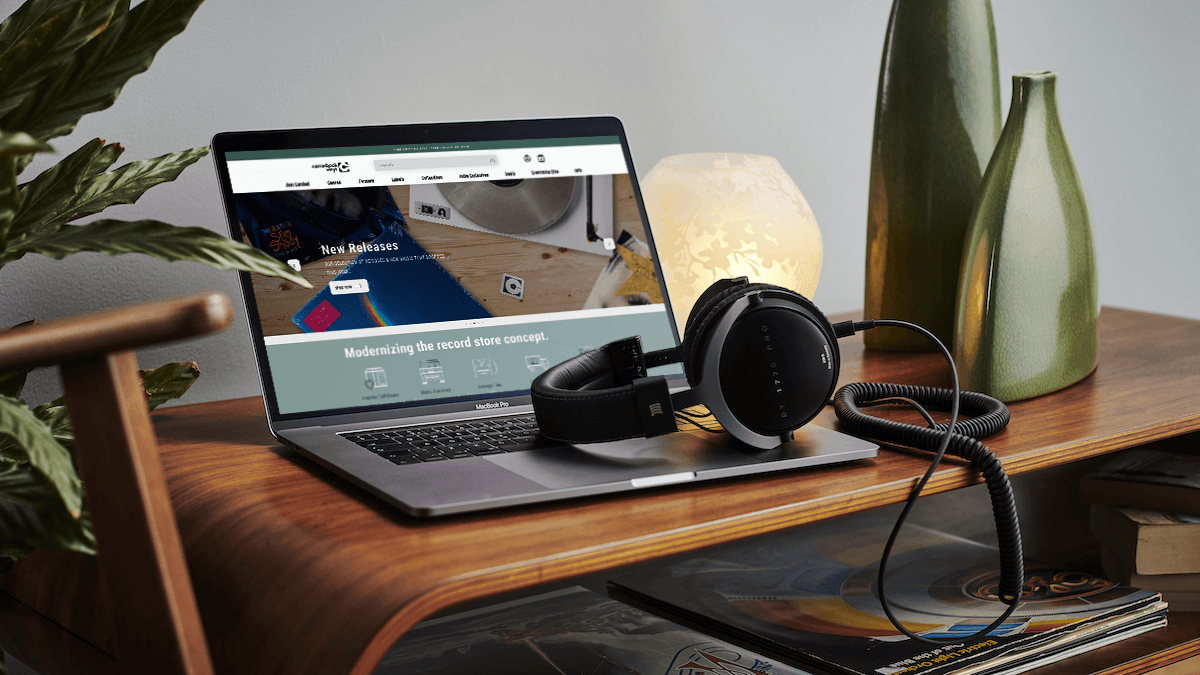
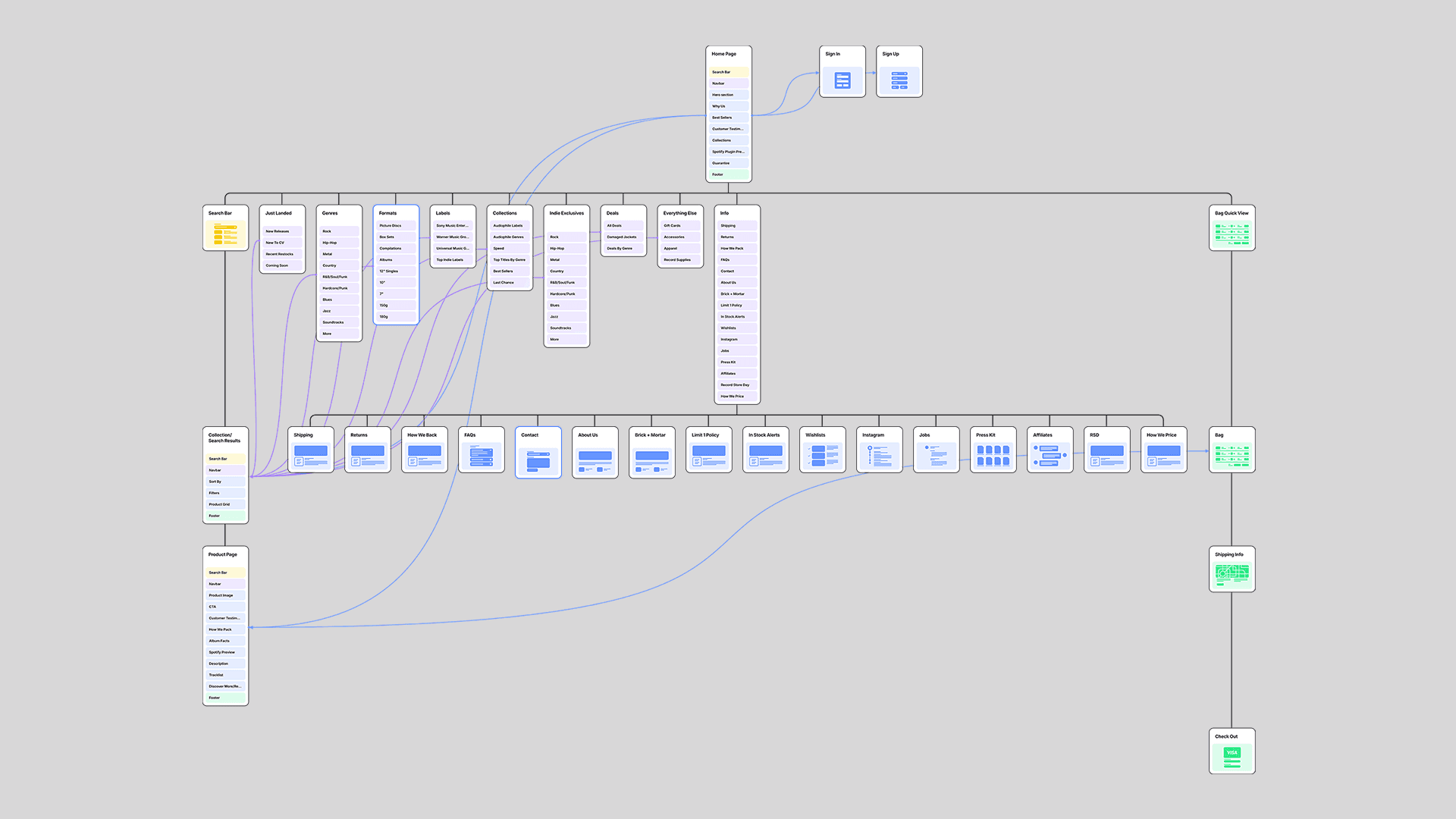
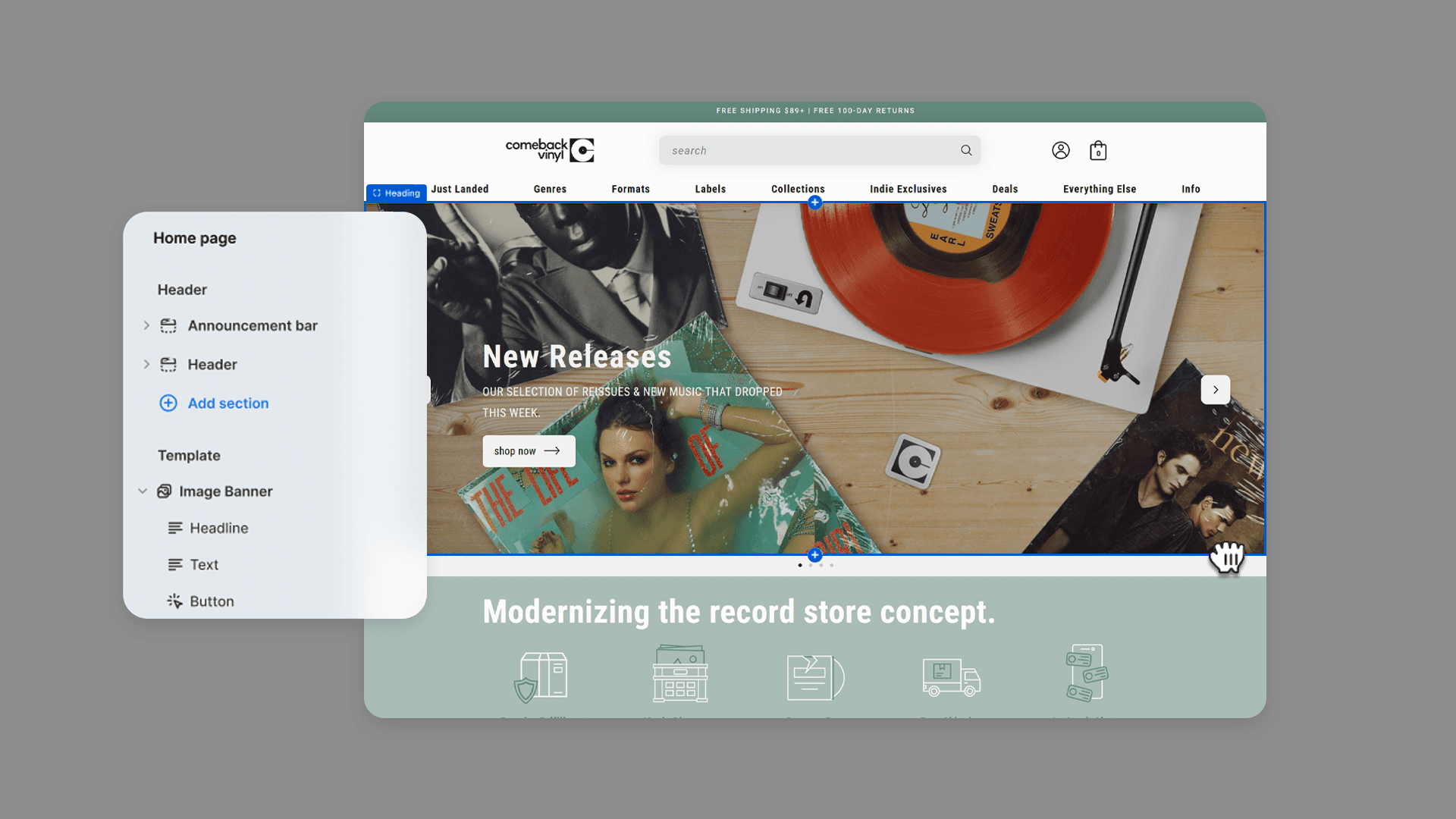
Comeback Vinyl serves as the ultimate digital neighborhood record store, eliminating the friction of traditional "crate digging" through a completely overhauled, highly organized eCommerce platform. By migrating a massive, complex inventory into an intuitive and visually engaging user interface, the platform brings the curated expertise of a local shop directly to the user's screen, no matter where they live. Through streamlined navigation and a modernized digital storefront architecture, Comeback Vinyl successfully bridges the gap between the tactile joy of record collecting and the seamless, frictionless expectations of modern eCommerce.
Translating the analog joy of flipping through records into a digital interface required balancing high-density information with a clean, "indie" aesthetic. We had to navigate the complexities of managing a massive, ever-changing inventory of both new and used items, ensuring that the grading and condition of every record were communicated with absolute clarity to maintain collector trust.
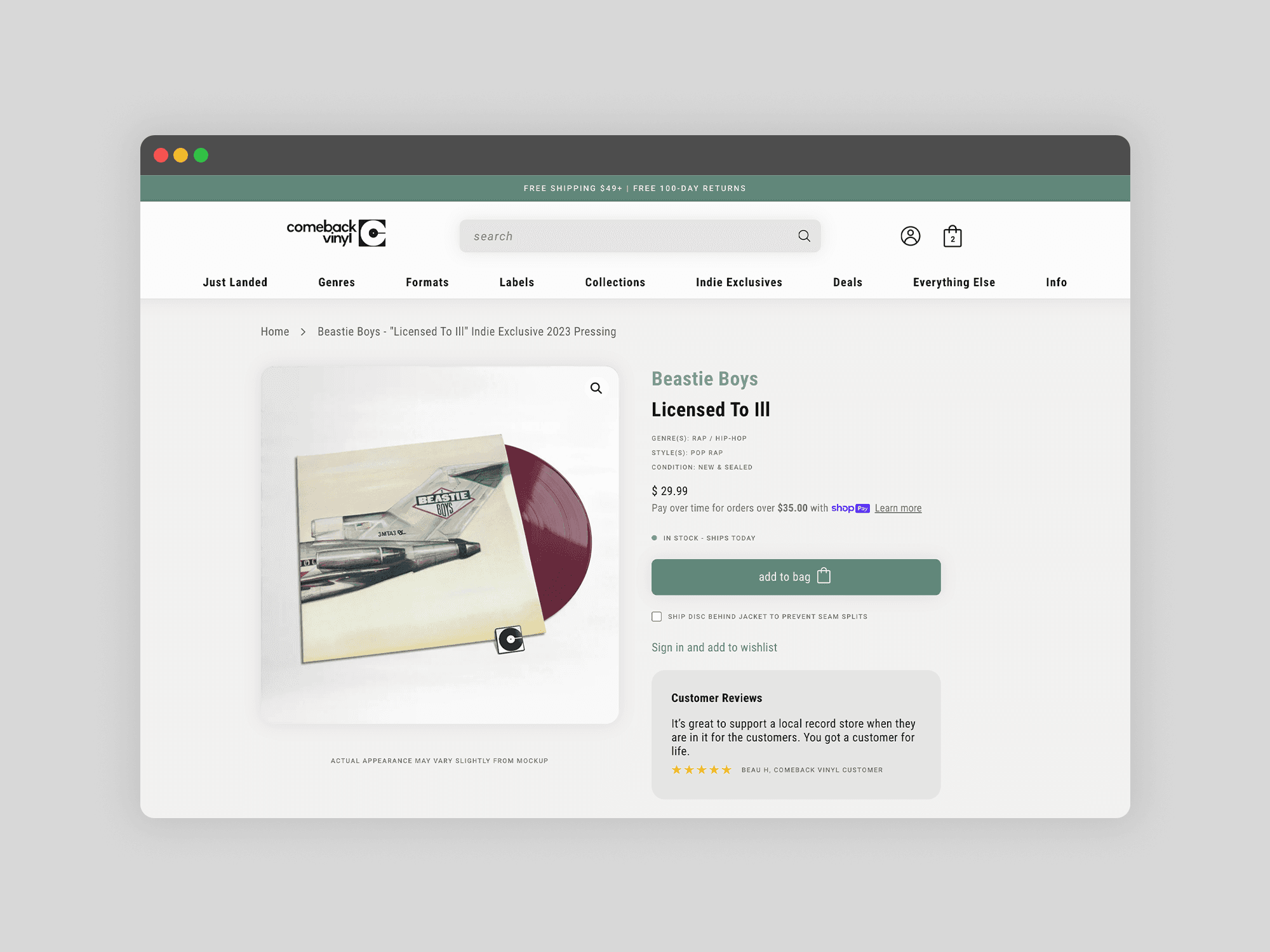
Translating the analog joy of flipping through records into a digital interface required balancing high-density information with a clean, "indie" aesthetic. We had to navigate the complexities of managing a massive, ever-changing inventory of both new and used items, ensuring that the grading and condition of every record were communicated with absolute clarity to maintain collector trust.
constraints
Omni-Channel Inventory Sync: Resolving the friction between fragmented platforms where the physical POS and the eCommerce backend operated on separate systems, leading to sync delays and frequent overselling during peak traffic.
Visual Density vs Speed: Optimizing high-resolution mockups and rich metadata to ensure collectors could inspect album details without compromising mobile load times or site performance.
Metadata Standard: Engineering a robust data structure to handle thousands of unique SKUs, ensuring that pressings, weight, and release years were accurately mapped across the digital catalog.
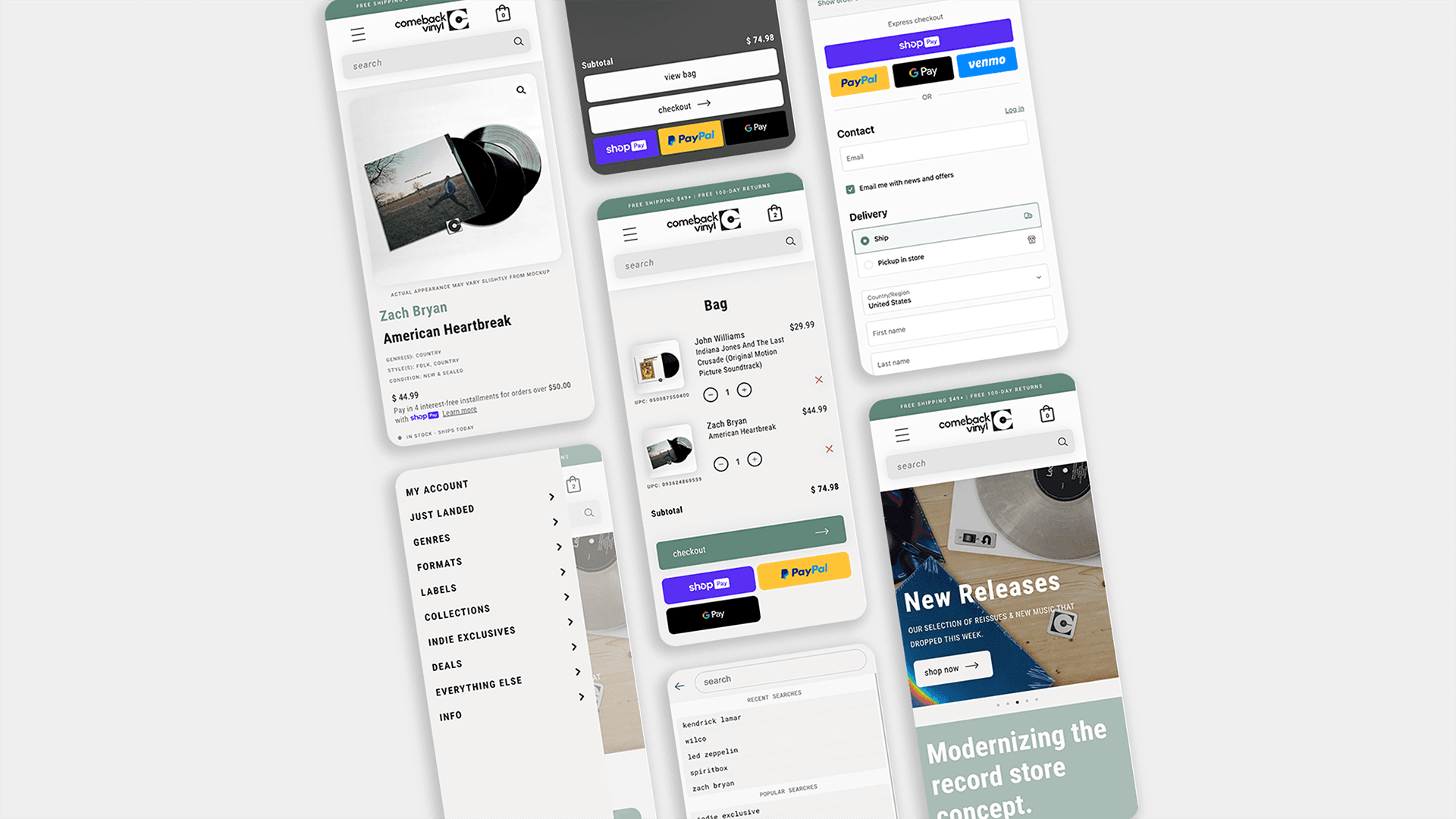
Streamlined Checkout: Simplifying the checkout process offering multiple payment options.
pain points
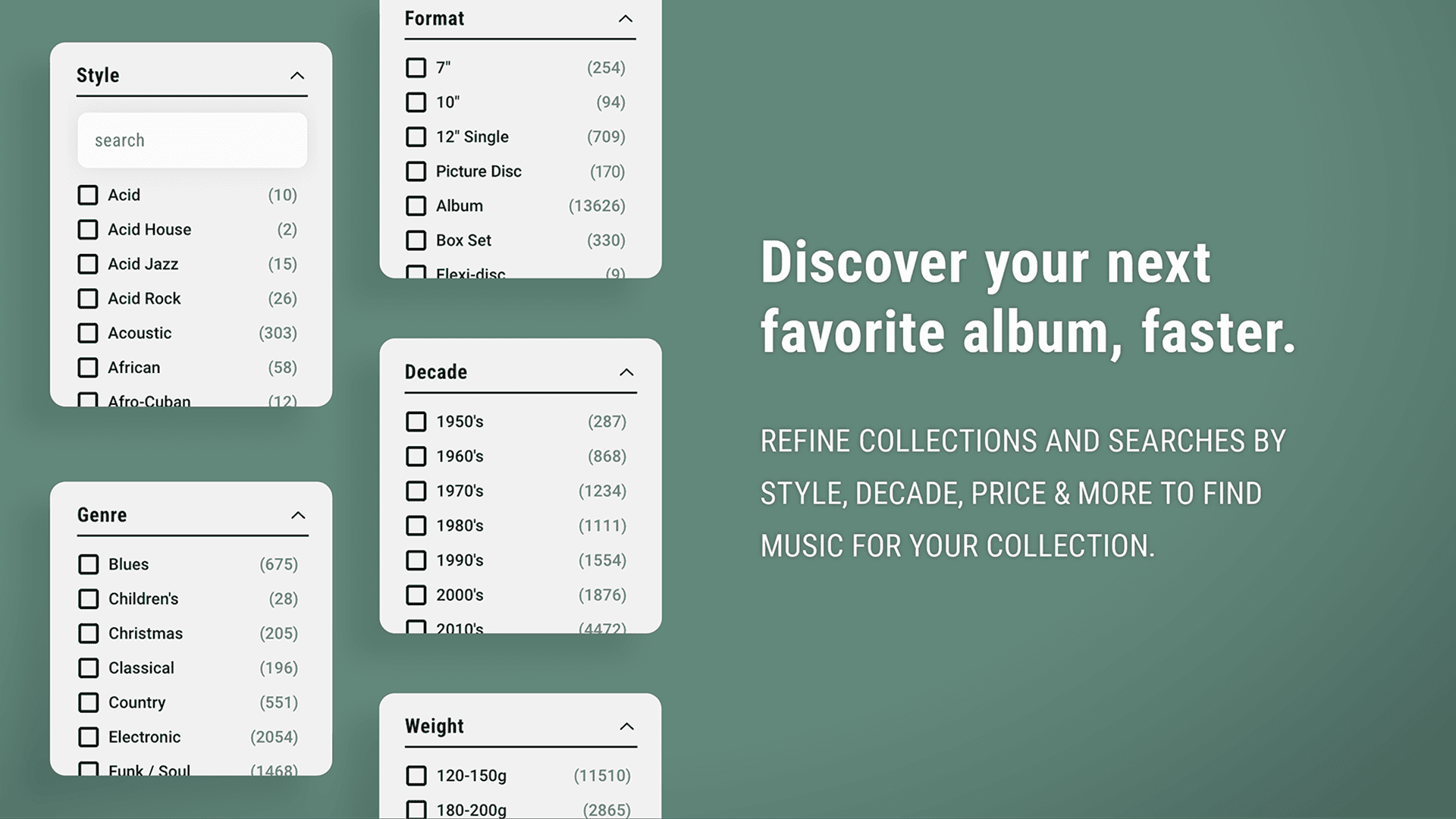
Discovery Gap: User testing revealed that 58% of collectors struggled to find specific out-of-print or limited-edition titles, noting that standard search tools were too generic for the nuanced metadata of niche genres and artists.
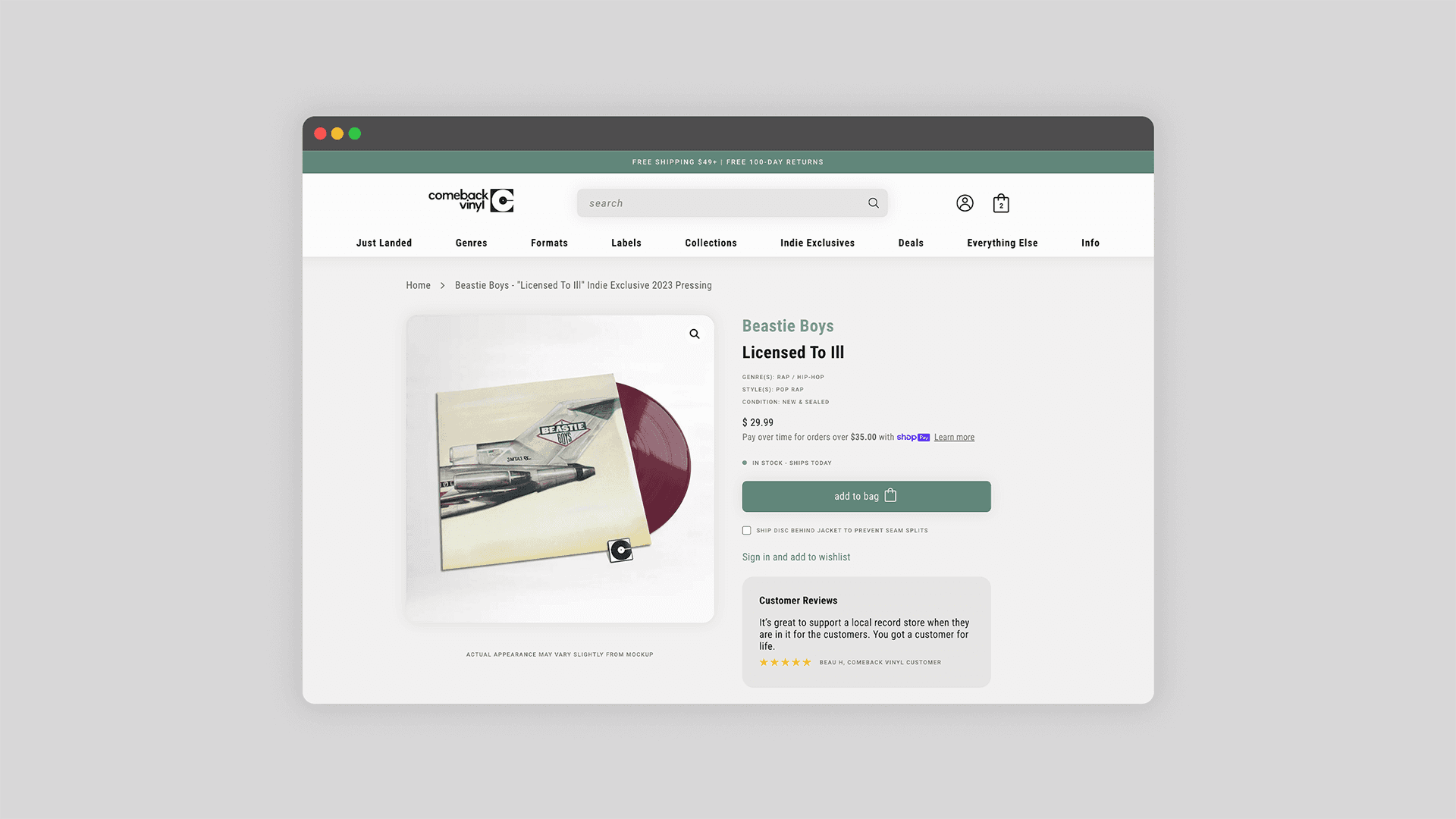
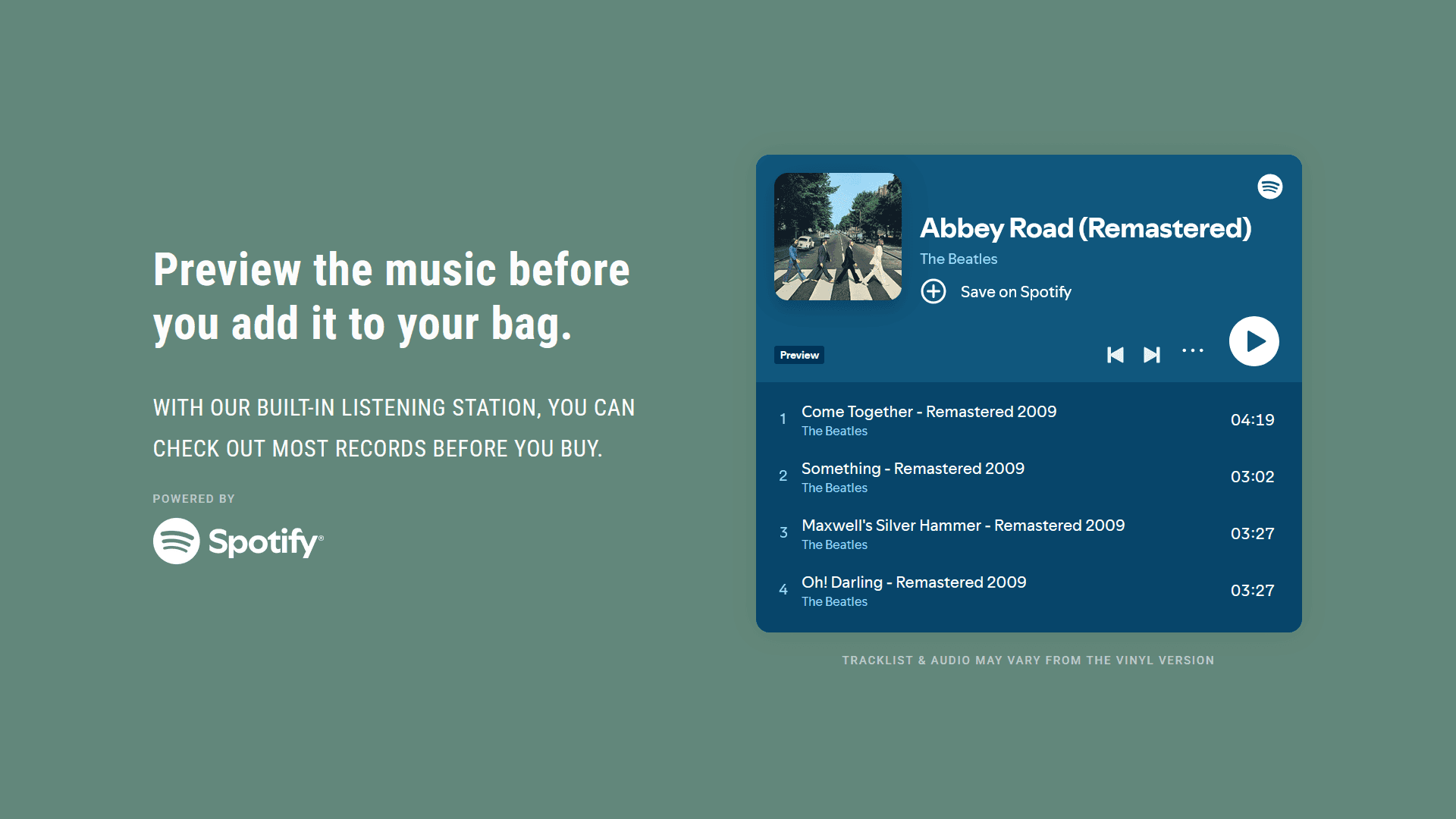
Information Deficit: Participants emphasized the importance of detailed product information. They desired comprehensive descriptions that included pressing quality, sound quality, and packaging details. Additionally, high-quality images and, ideally, audio samples were considered essential for making informed purchasing decisions. Without this information, users often felt uncertain about the quality of the product they were buying.
Checkout Abandonment: Analysis of existing shopping flows indicated that complex, multi-step checkout processes, particularly those requiring account creation, resulted in a 42% abandonment rate for time-sensitive releases.
Shipping Anxiety: Many participants expressed concerns about the condition of records and the potential for damage during shipping. They often hesitated to purchase records online due to the risk of receiving damaged or defective items. Additionally, high shipping costs and long delivery times were cited as significant drawbacks.
01

02
03
04
05
06
07
08

impact
The launch of the integrated Comeback Vinyl eCommerce platform transformed the boutique Alpharetta storefront into a Highly Scalable national destination for music collectors. By solving for inventory fragmentation and auditory uncertainty, we created a high-fidelity digital experience that successfully replicated the trust and discovery of an in-person visit.
National Expansion: Successfully scaled distribution from a local customer base to a nationwide audience, fulfilling orders across all 50 states within the first six months of launch.
Conversion Optimization: The implementation of Spotify previews and granular pressing data led to a 28% increase in time-on-site and a significant boost in first-time purchases.
Friction Reduction: Streamlining the multi-step checkout and resolving shipping transparency concerns resulted in a 35% reduction in cart abandonment for high-demand releases.
Operational Precision: The unified Shopify synchronization strategy virtually eliminated inventory delays, resulting in a 95% reduction in overselling errors compared to the previous fragmented system.
Digital Discovery: Over 50% of users engaged with the custom filters, leading to higher conversion rates for niche, experimental titles outside of mainstream genres.